Define continuity needs
Document holdover, timing output and recovery expectations.
GNSS timing interference protection
Add interference resilience to systems that depend on GNSS-derived time, synchronization or position.
Document holdover, timing output and recovery expectations.
Choose the array, processing and receiver-output architecture.
Agree on measurable acceptance criteria and recorded test results.
GNSS timing protection is one layer of a resilient timing architecture. It can reduce interference reaching the receiver, but it does not replace integrity monitoring, local holdover, suitable independent time references, alarm logic, distribution validation or tested recovery procedures.
| Requirement | Buyer decision | Evidence to request |
|---|---|---|
| Timing performance | Required accuracy, traceability and time-error budget | Stated measurement point, reference and pass/fail limit |
| GNSS protection | Protected constellations, bands and expected interference conditions | Waveform, power, geometry, protected bands and measured receiver output |
| Integrity monitoring | What conditions trigger warning, rejection or source switching | Alarm thresholds, latency, logs and host-system response |
| Continuity and holdover | How long timing must remain within limits without trusted GNSS | Oscillator conditions, holdover test duration and recovery result |
| Independent reference | Which complementary source is suitable for the required accuracy and outage duration | Source independence, traceability, switching behavior and comparative records |
| Distribution interface | Required signal or network path for the host system | Interface definition, load, cabling and end-to-end validation |
The National Institute of Standards and Technology identifies telecommunications, electric power and financial services as sectors that depend on accurate timing, and its responsible-use guidance emphasizes identifying dependencies, detecting disruption or manipulation and managing the resulting risk. See the NIST timing-dependency evaluation and NIST responsible-use guidance. NOVA products can protect the GNSS signal path; receiver integrity, holdover, independent references and network distribution remain system-level design decisions.
Use the resilient-PNT architecture guide to define the complete protection boundary and the testing framework to document loss, holdover, switching and recovery evidence before procurement approval.
A protected antenna and spatial-processing front end can reduce interference before it reaches the timing receiver. A resilient timing design should also monitor integrity, define holdover behavior, use suitable independent references where required and test recovery after GNSS returns.
No. Anti-jam protection improves the availability of the satellite signal path, while holdover maintains time when the external reference is unavailable or rejected. Buyers should specify both functions and the boundary between them.
NIST identifies telecommunications, electric power and financial services among the sectors that depend on accurate timing. Each system still needs its own time-error budget, continuity requirement, interfaces and response to loss or manipulation of the external reference.
No single architecture fits every system. Select protected GNSS, local holdover and independent or complementary references against the required accuracy, outage duration, detect-and-switch behavior, distribution path and recovery criteria.
NOVA configurations protect the GNSS signal path before it reaches a compatible timing receiver. The timing receiver, local oscillator, holdover performance, independent reference, source-selection logic and network distribution remain configuration-specific or system-level responsibilities unless explicitly included in the quoted scope.
Provide the application sector, GNSS bands, timing receiver, required outputs and interfaces, accuracy or time-error budget, maximum disruption, holdover expectation, alarm behavior, installation constraints and acceptance criteria.
Specify the maximum permitted time error at a named measurement point, the target outage duration, oscillator and environmental conditions, alarm and source-switching behavior, and recovery limits. Test by recording time error through trusted-GNSS loss, holdover, any alternate-source transition, restoration and relock. An hours-only holdover claim is incomplete without those conditions and a pass-or-fail limit.
Use these models as an engineering shortlist, not as a substitute for a configuration review.
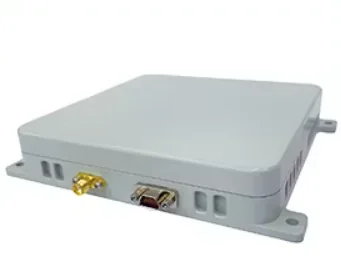
Enhanced Dual-Frequency Resilient PNT Terminal
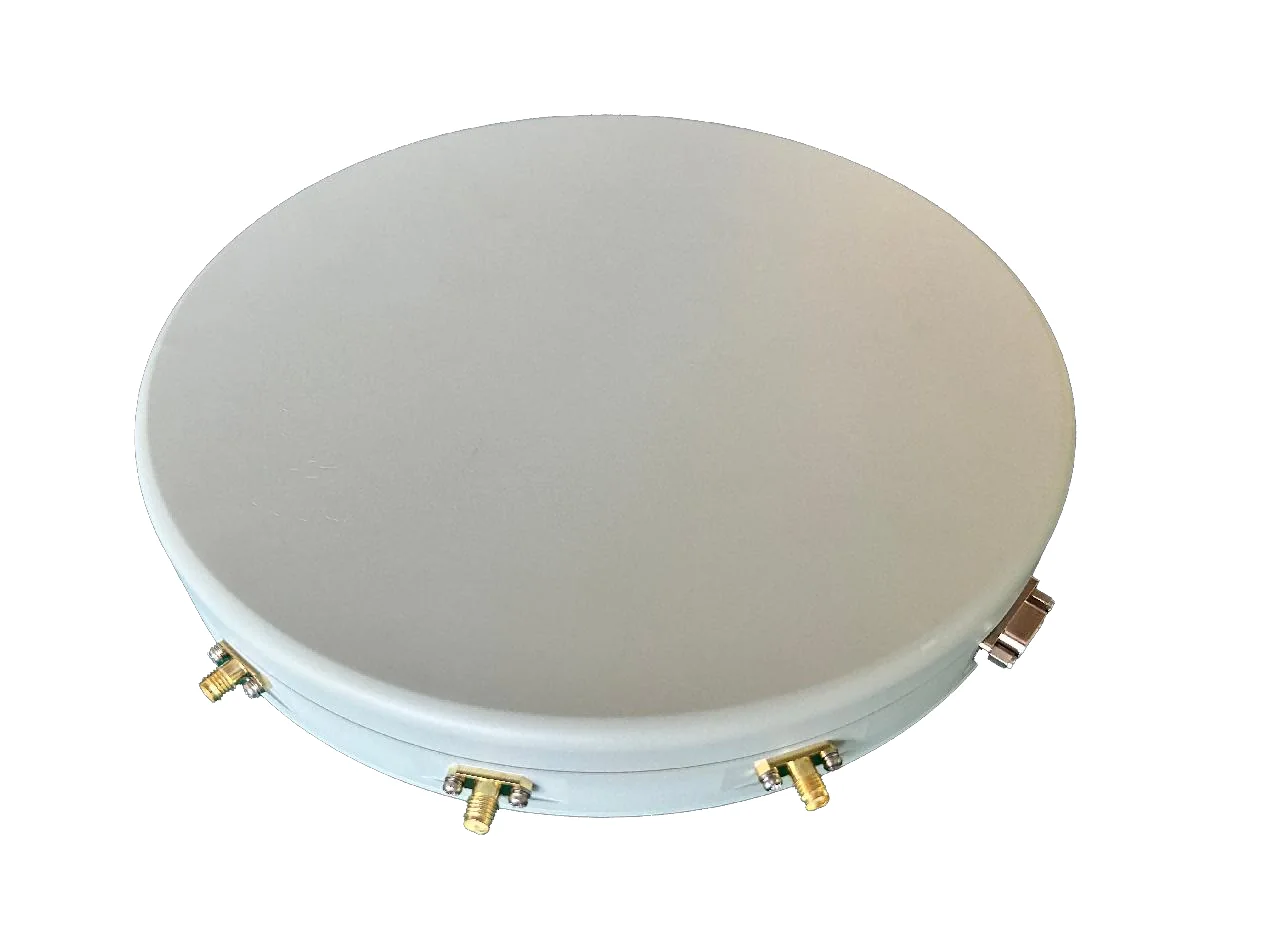
7-Element Multi-System Resilient PNT Terminal
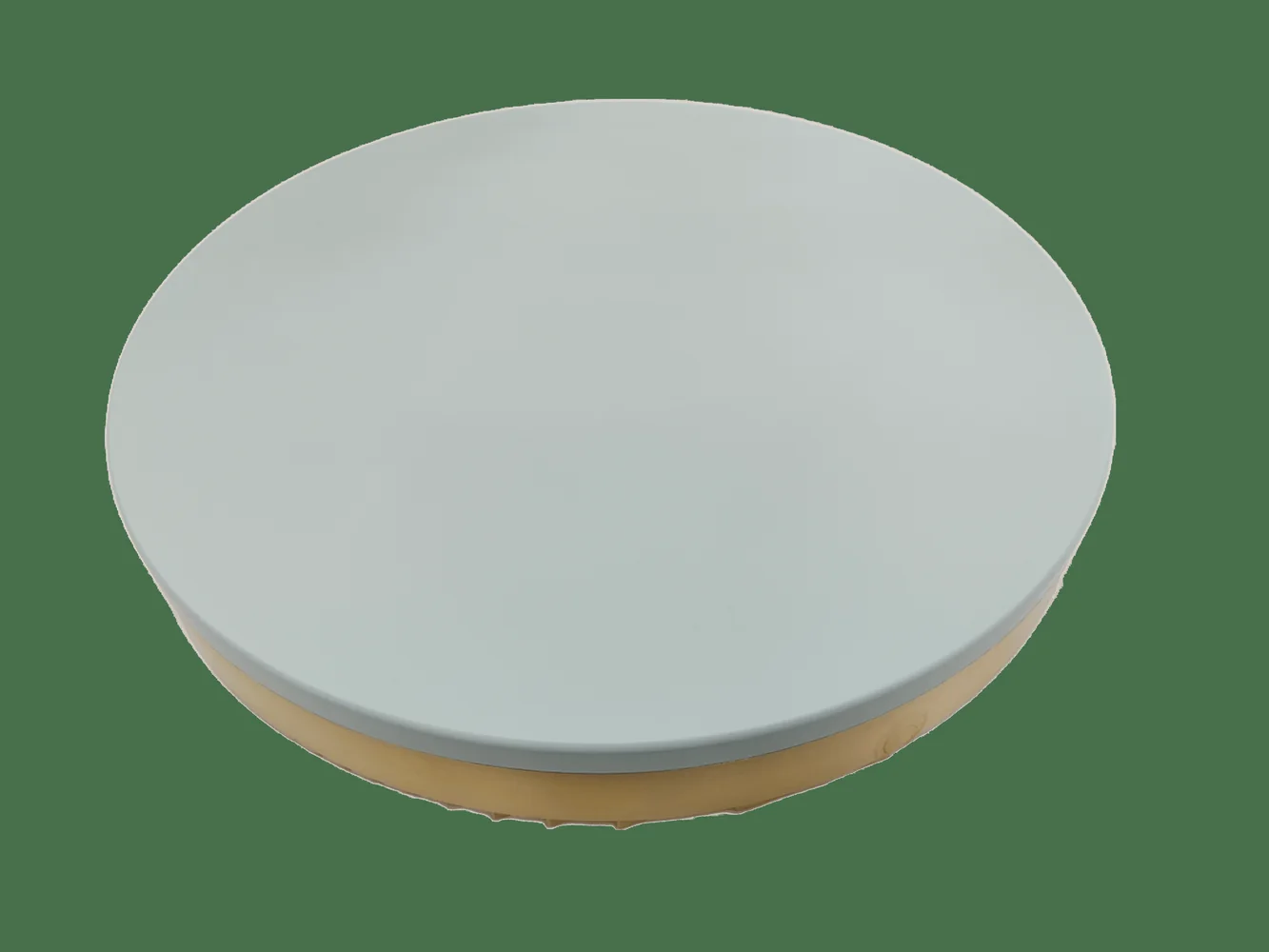
16-Element Anti-Jam + Anti-Spoof PNT Terminal
Next step
Share platform, protected bands, interfaces and project timing. Zhiyunlai will confirm a suitable starting configuration and the information needed for validation.