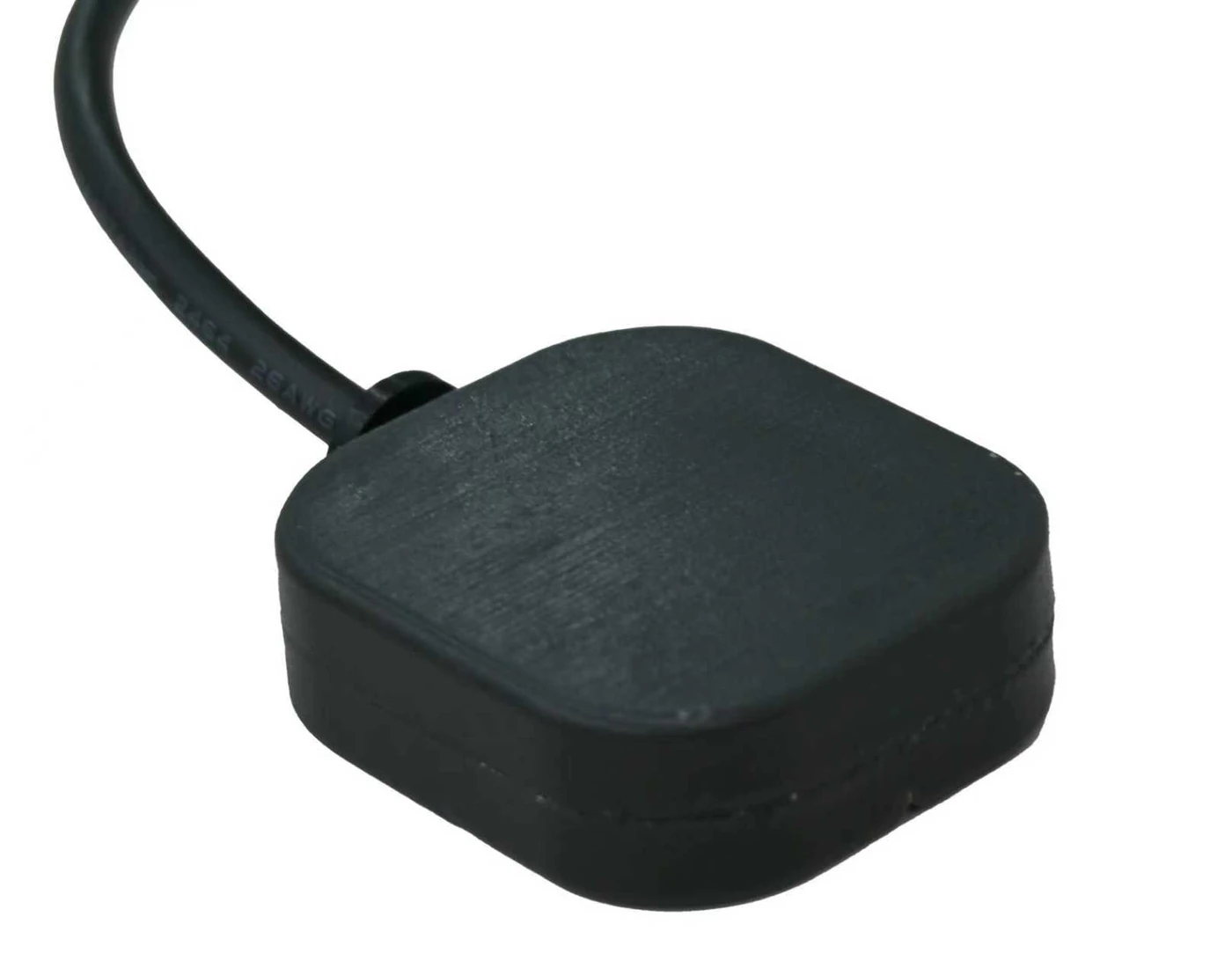
FPV and micro UAVs
NOVA-M46
Ultra-Compact Resilient PNT Terminal
- Suppression
- 65 dBc
- Directions
- 1
- Mass
- 40 g
NOVA product range
Compare ten standard configurations by array scale, simultaneous interference directions, protected bands, mass, power and anti-spoof capability.
Use this catalog as a shortlist. Final values, interfaces and availability are confirmed against the selected configuration and project review.
Ultra-Compact Resilient PNT Terminal
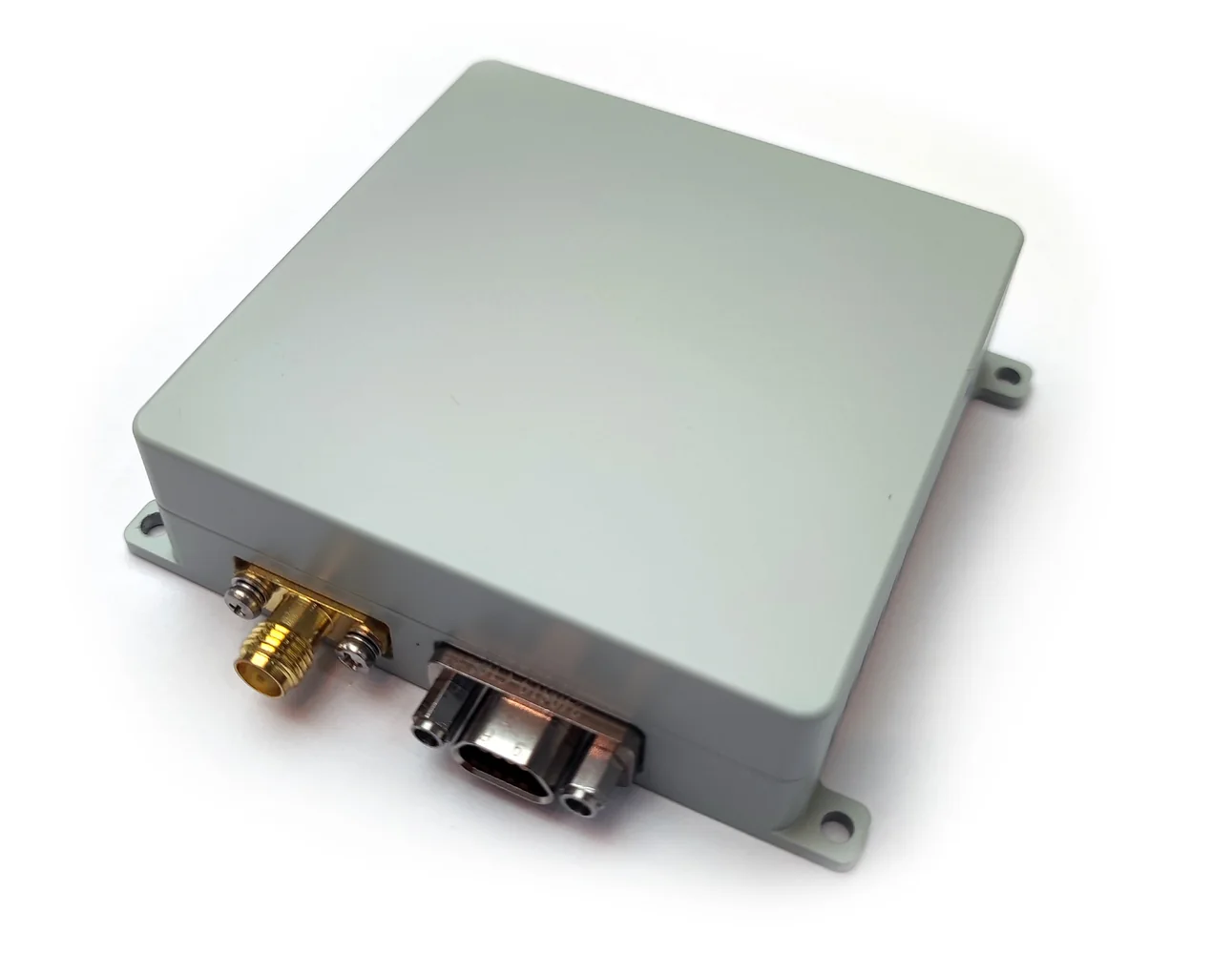
Compact 4-Channel Resilient PNT Terminal
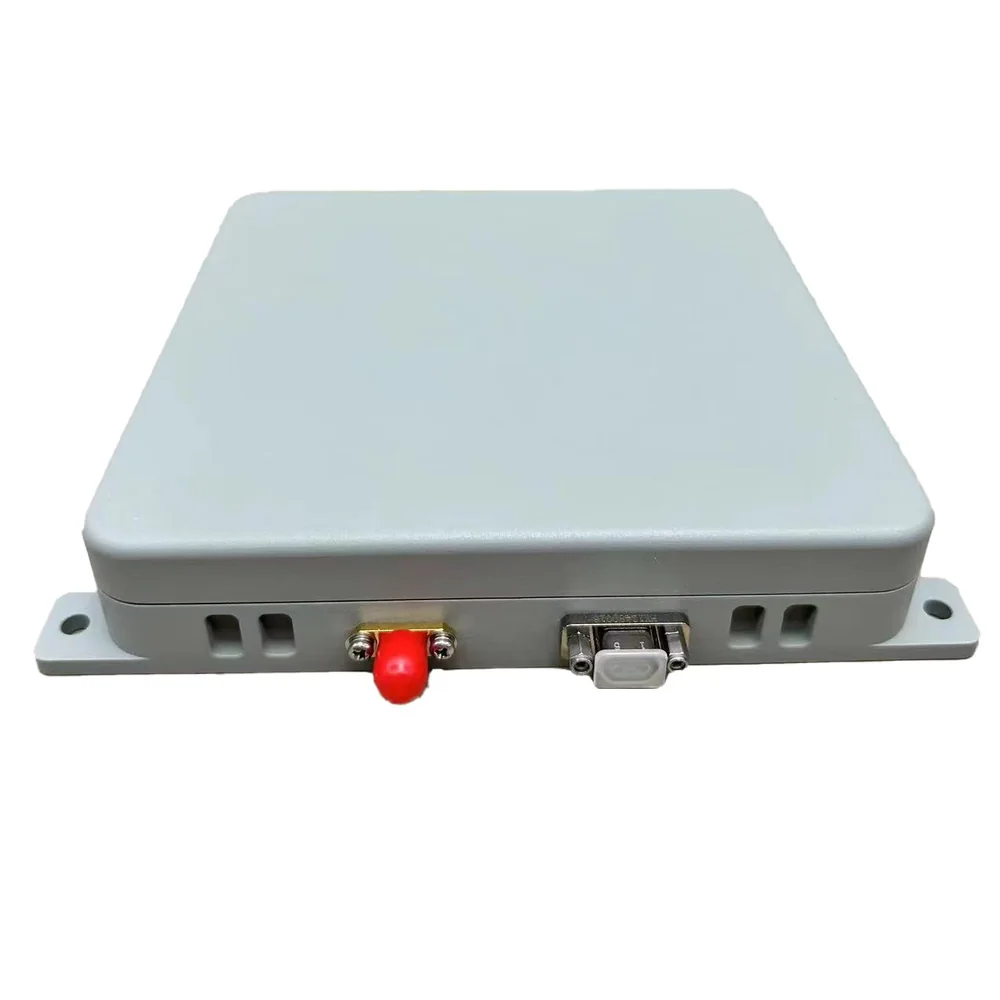
Dual-Frequency Resilient PNT Terminal
Enhanced Dual-Frequency Resilient PNT Terminal
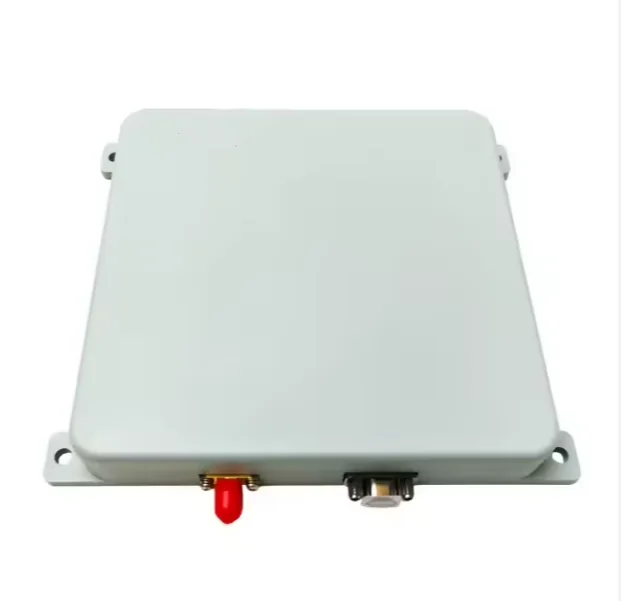
Tri-System Resilient PNT Terminal
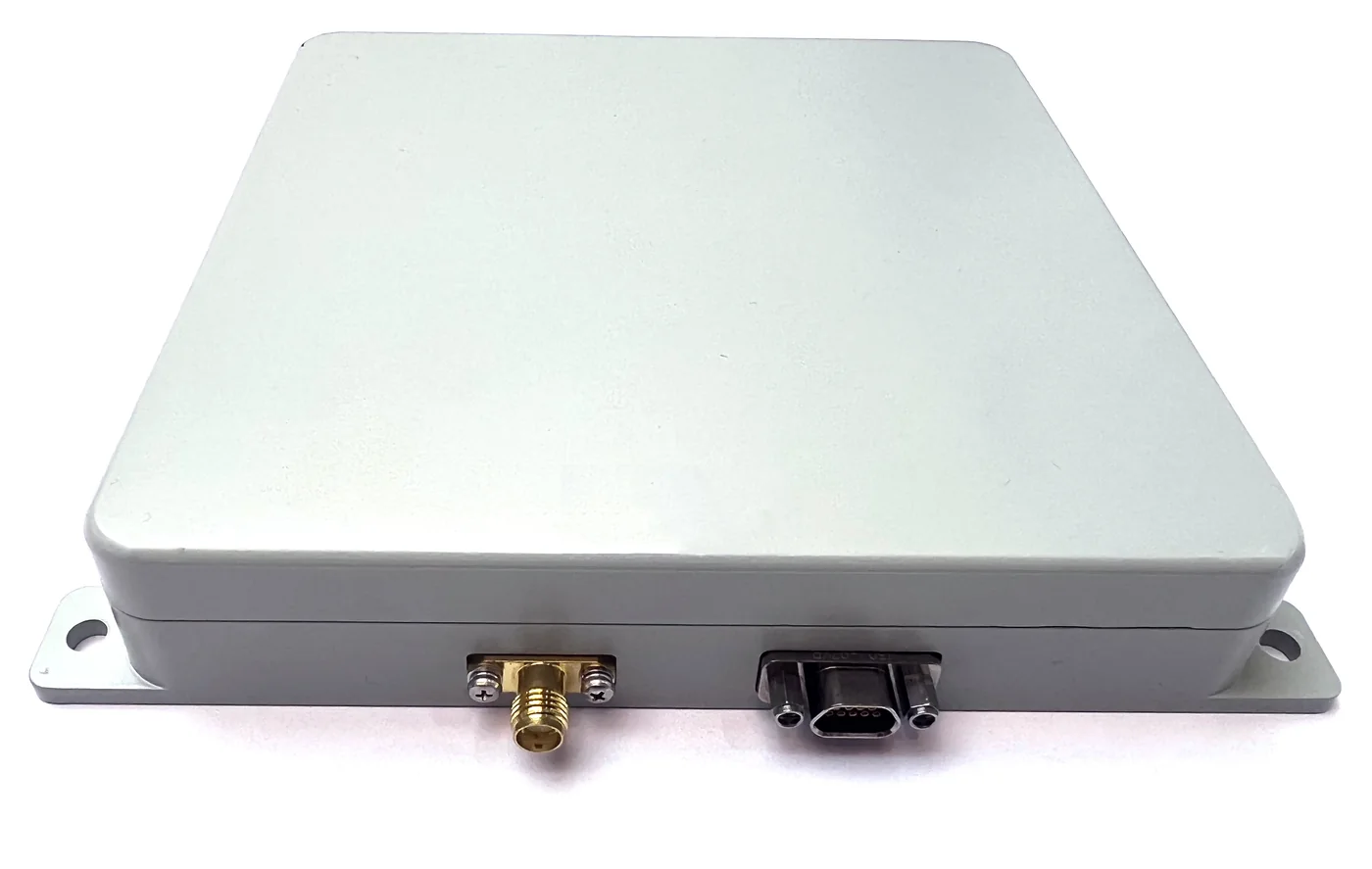
Anti-Jam + Anti-Spoof PNT Terminal
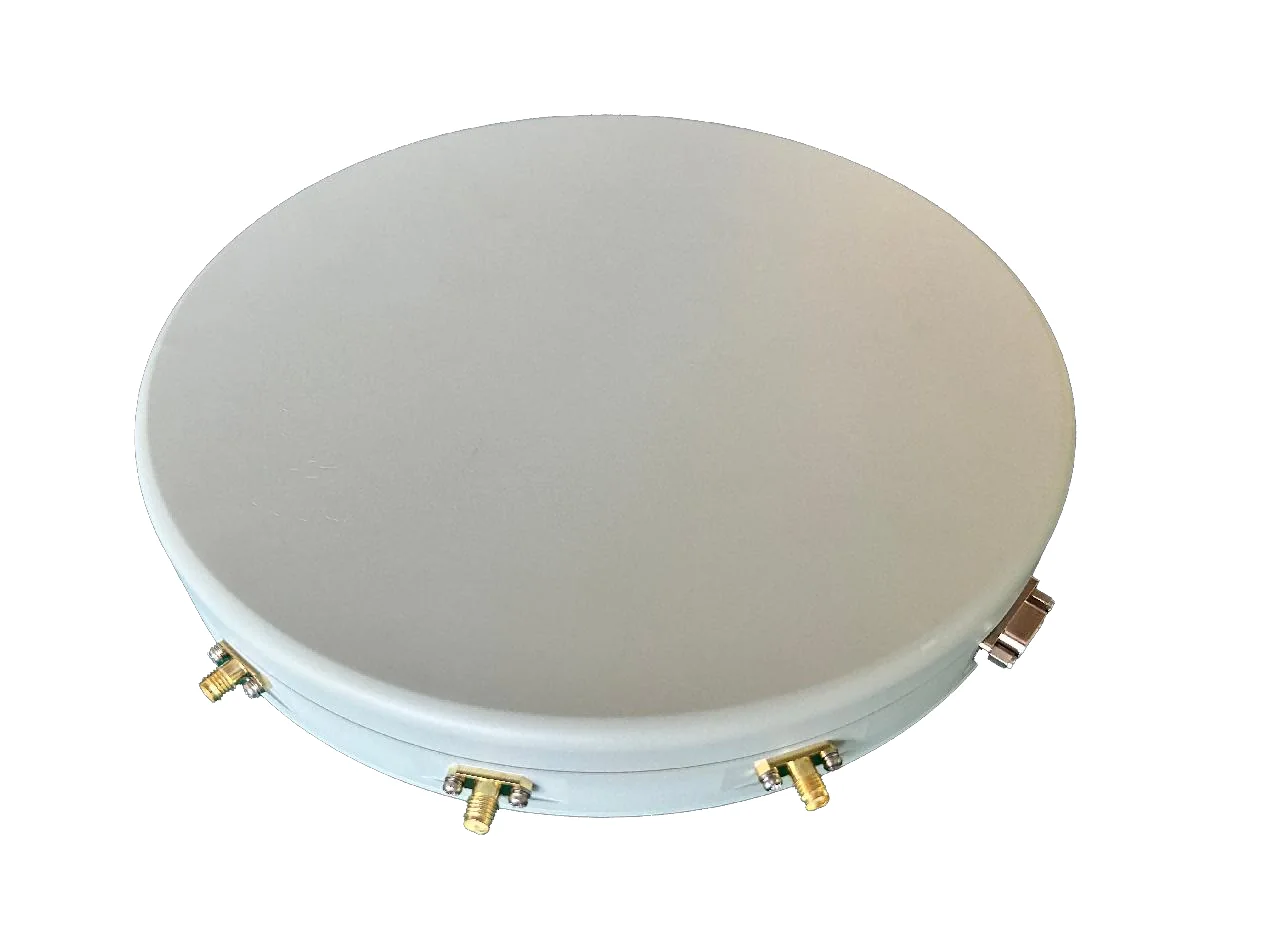
7-Element Multi-System Resilient PNT Terminal
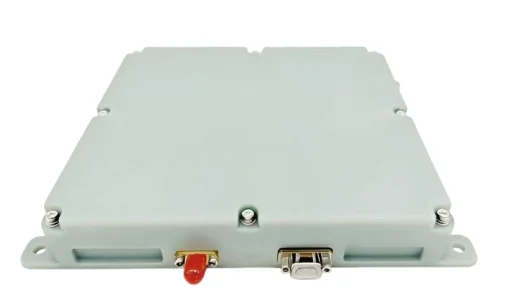
8-Element Dual-System Resilient PNT Terminal
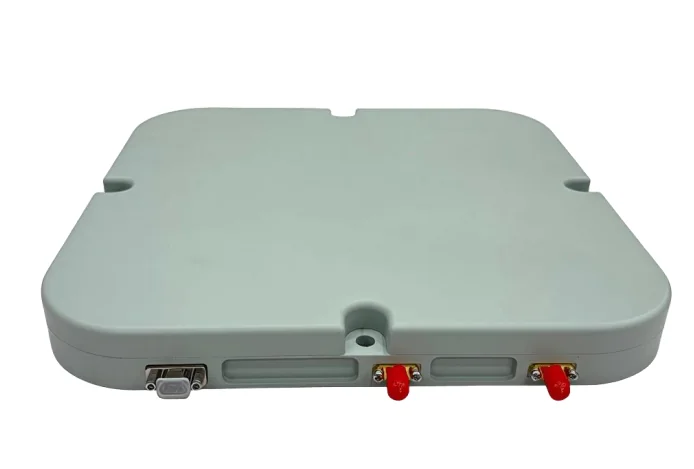
16-Element Multi-System Resilient PNT Terminal
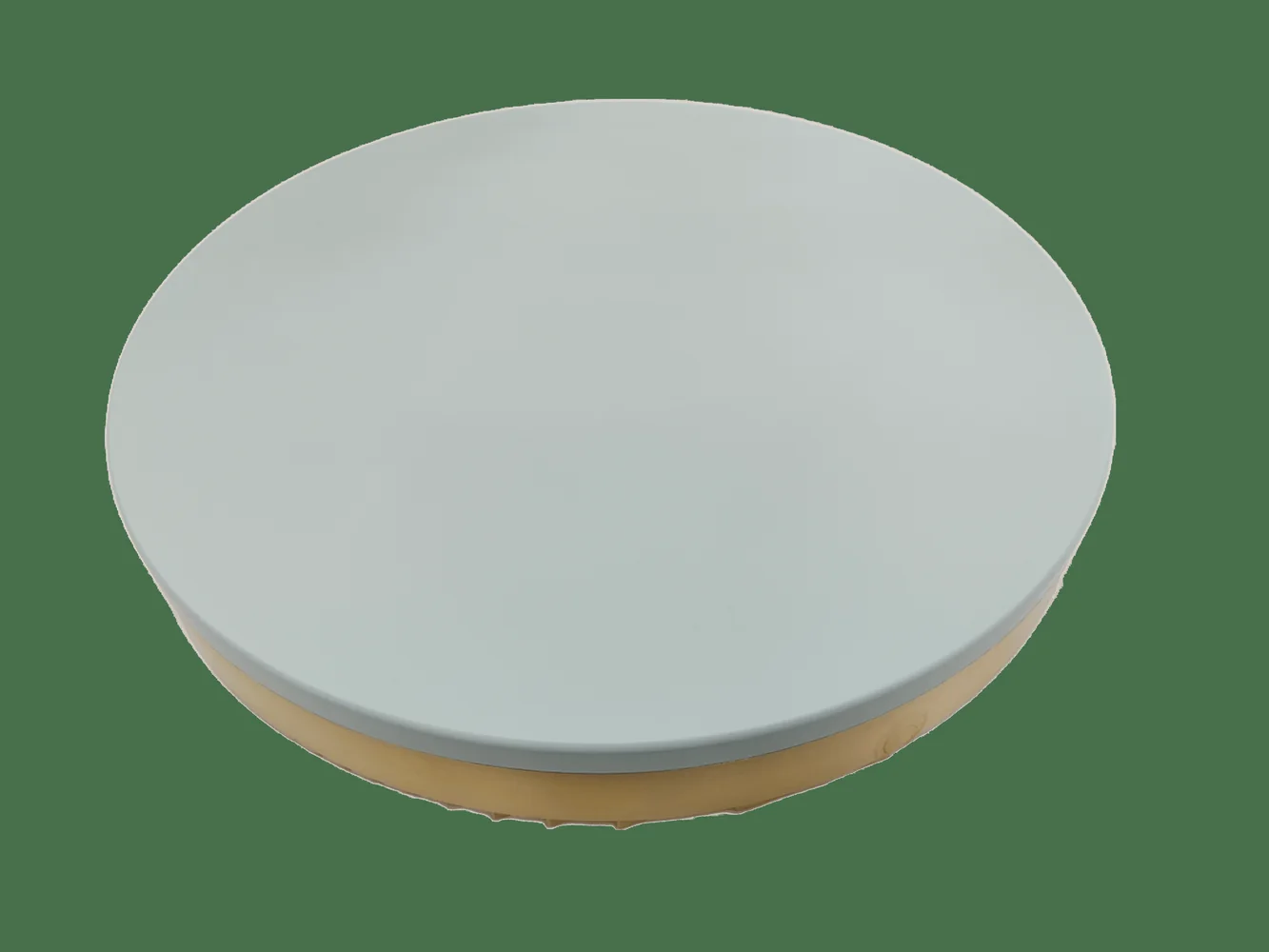
16-Element Anti-Jam + Anti-Spoof PNT Terminal
A GNSS anti-jamming shortlist should match protected signals, simultaneous interference directions, receiver architecture, installation envelope, mass, power and anti-spoof need. Select the smallest documented configuration that meets the acceptance scenario, then verify it on the intended platform.
| Model | Array and directions | Protected bands | Published suppression | Mass and power | Anti-spoof |
|---|---|---|---|---|---|
| NOVA-M46 | Micro terminal; 1 direction | BDS / GPS / GLONASS / Galileo | 65 dBc | 40 g; ≤60 mA @ 5 V | No |
| NOVA-S65 | 4-channel; 3 directions | B1 / L1 / E1 | ≥95 dBc | ≤130 g; ≤6 W | No |
| NOVA-D8 | 8-channel; 3 directions | B1 / B3 / L1 / E1 | ≥95 dBc | ≤500 g; ≤17 W | No |
| NOVA-D8X | 8-channel; 3 directions | B1 / B3 / L1 / E1; B3 may be configured for L5 or L2 | ≥105 dBc | ≤500 g; ≤17 W | No |
| NOVA-T8 | 8-channel; 3 directions | B1 / L1 / G1 / E1 | ≥105 dBc | ≤400 g; ≤12 W | No |
| NOVA-AS4 | 4-channel; 3 directions | B1 / L1 / E1 | ≥105 dB | ≤520 g; ≤13 W | Yes; residual spoofing signal C/N₀ ≤20 dB |
| NOVA-H7 | 7 elements; 6 directions | B1 / L1 / E1 / G1 | ≥120 dB | ≤1.2 kg; ≤25 W | No |
| NOVA-H8 | 8 elements; 7 directions | L1 / G1 | ≥110 dB | ≤720 g; ≤19 W | No |
| NOVA-H16 | 16 elements; 15 directions | B1 / L1 / E1 | ≥100 dB | ≤1.25 kg; ≤25 W | No |
| NOVA-AS16 | 16 elements; 15 directions | B1 / L1 / E1 | ≥120 dB | ≤3.0 kg; ≤40 W | Yes; residual spoofing signal C/N₀ ≤20 dB |
Published values describe standard starting configurations, not guaranteed platform results. Compare the exact waveform, input level, geometry, protected bands, measurement point, receiver behavior and acceptance method for the quoted configuration.
A useful OEM shortlist begins with the host platform and signal path, not array size alone. Define the inputs below before requesting a model recommendation or quotation.
| RFQ input | What to specify | What it determines |
|---|---|---|
| Platform and SWaP | Installation envelope, maximum mass, supply voltage and power budget | Which standard configurations can be integrated without redesigning the host platform |
| Protected GNSS signals | Required constellations, frequencies and receiver architecture | Band coverage and whether protected RF or an integrated receiver is appropriate |
| Interference requirement | Waveform, input level, source geometry and simultaneous directions | The array and processing capacity to evaluate under controlled conditions |
| Anti-spoof requirement | Detection, rejection, alarm and host-system response expectations | Whether anti-jam alone is sufficient or an anti-spoof configuration is required |
| Acceptance evidence | Bench, simulator, chamber and representative-platform checks | How quoted performance will be verified before deployment |
Read the CRPA technology guide for the signal-processing context and the anti-jam versus anti-spoof guide when integrity protection is required. Use the testing framework to define repeatable acceptance conditions, then send the non-sensitive requirement set through the OEM configuration request.
Start with the required protected bands, simultaneous interference directions, platform size, mass and power limits, receiver architecture and acceptance scenario. A larger array can support more spatial processing, but the best fit is the smallest verified configuration that satisfies the complete requirement.
No. A suppression value is meaningful only with its waveform, input level, source geometry, protected bands and measurement method. Compare configuration-specific evidence and receiver output under agreed conditions instead of ranking systems by one headline number.
Include the platform type, GNSS constellations and frequencies, protected-RF or integrated-receiver path, simultaneous-direction requirement, mounting envelope, mass and power limits, connectors, nearby emitters, environment, prototype quantity and measurable acceptance conditions. Sensitive operational details are not needed for an initial shortlist.
NOVA-AS4 and NOVA-AS16 are the two published standard configurations that list both anti-jam and anti-spoof capability. Their array scale, simultaneous-direction capacity, SWaP and quoted evidence differ, so each function must be reviewed against the selected configuration.
Some system architectures provide protected RF to a compatible external receiver, while others include a receiver and navigation outputs. Confirm bands, RF level, impedance, connector, power path and receiver compatibility before treating any model as a retrofit.
Request the configuration-specific datasheet, protected-signal and interface definition, mechanical and connector information, stated performance conditions, acceptance evidence scope and commercial review basis. Sample or prototype availability, pricing and schedules are confirmed only after the platform, quantity, destination, end user and intended use are reviewed.
The quotation basis depends on the selected configuration, interfaces, documentation, prototype and production quantity, destination, end user, end use, schedule and required acceptance evidence. Share verified non-sensitive inputs first; unresolved technical conditions can be identified during engineering review.
Next step
Share platform, protected bands, interfaces and project timing. Zhiyunlai will confirm a suitable starting configuration and the information needed for validation.